Motivation Isn’t the Problem. Your Hiring Process Is
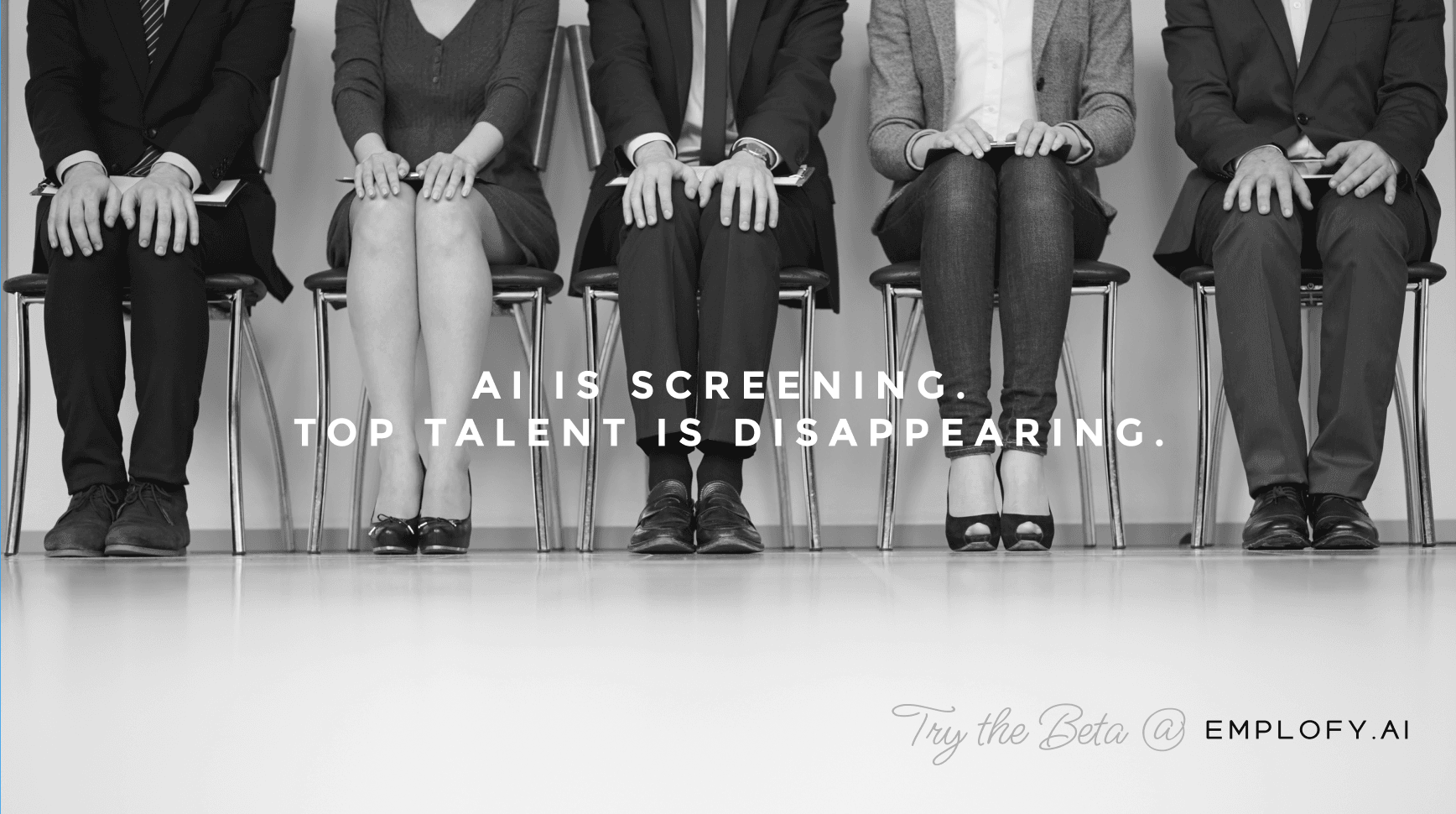
Why job search feels broken today and what early signals from AI-driven systems reveal
If you read enough career advice today, you might conclude that the labor market is facing a motivation crisis. Candidates are told to stay confident, keep applying, treat rejection as feedback, and push through uncertainty.
But most professionals are not struggling because they lack drive. They are struggling because they lack orientation.
Inside organizations, hiring processes look structured and rational. Applications move through tracking systems. Recruiters review dashboards. Hiring managers assess ranked candidates. From an internal perspective, there is order.
From the outside, however, the experience often feels like silence.
Applications are submitted and disappear. Confirmation emails are automated and generic. Timelines are unclear. Weeks pass without updates. In many cases, even formal rejection has quietly become optional.
When there is no signal, people interpret the absence of one.
They begin to question their résumé, their positioning, their experience. They rewrite. They adjust language. They second guess their own trajectory. What looks like insecurity is often an attempt to make sense of missing information.
Research in decision making consistently shows that uncertainty increases stress more than negative outcomes. A clear rejection allows closure. Ambiguity keeps the mind searching for explanation.
In hiring, that search often turns inward.
Organizations did not design their systems to create this effect. Automation was introduced to handle volume. AI tools were implemented to accelerate screening. Applicant tracking systems promised efficiency.
Efficiency improved.
Transparency did not.
Most companies measure time to hire. Fewer measure time to feedback. Almost none evaluate how long candidates remain in informational limbo. Internally, the process advances. Externally, it often appears stalled.
That disconnect matters.
Employer reputation is shaped less by messaging and more by lived experience. Candidates remember which companies acknowledged them. They remember who closed the loop. They share timelines with peers. They talk about which organizations felt responsive and which felt indifferent.
A structured rejection builds more trust than prolonged silence. A simple status update can prevent weeks of speculation. Clear expectations reduce unnecessary follow up and frustration on both sides.
This does not require a radical redesign of hiring systems. It requires a shift in what leaders choose to measure.
Orientation should be treated as part of process architecture.
That means defining realistic timelines and communicating them clearly. It means establishing internal standards for response latency. It means recognizing that silence is not neutral. It communicates something whether intended or not.
When candidates understand what is happening, they adjust their expectations. Motivation becomes sustainable because it is grounded in clarity. Without orientation, even capable and driven professionals begin to disengage.
As Glen Saprykin, Chief of Staff at Emplofy.ai, notes, “Many hiring systems today are optimized for internal efficiency, not for external clarity. The result is a growing disconnect between how decisions are made and how they are experienced.”
That gap is becoming more visible as artificial intelligence takes a larger role in hiring decisions.
Early insights from platforms like Emplofy.ai, a New York-based company currently preparing a private beta of its AI job search co-pilot, suggest that much of the frustration candidates experience is not random. It is structural. It comes from how signals are processed, filtered, and interpreted across hiring systems.
Leaders often ask how to improve candidate experience. The instinct is to invest in employer branding campaigns or redesign career pages. Those efforts have value, but they do not replace structural clarity.
If a hiring system removes signals, it creates anxiety. If it creates anxiety, it erodes trust. Trust once eroded is difficult to restore through messaging alone.
In a labor market increasingly shaped by automation, the organizations that stand out will not only be those that move quickly.
They will be those that make movement visible.
Motivation was never the core issue.
Clarity is.
And clarity is a leadership decision.